Tuesday, October 26, 2010

Making Money on the Internet


Fallacy Debunking: Successful New Business Model Examples Are The 'Exception'

from the debunker's-forum dept

I've been meaning to start to put together a series of posts that debunk the common "criticisms" we get that are all too often based on logical fallacies. I end up spending way too much time in the comments responding to people posting those same logical fallacies over and over again, and it would be nice to be able to point to posts that "answer" the complaints quickly. I'm still not sure if I'll ever really get around to it, but sometimes someone else does such a nice job of it, that I might as well highlight it with a post here.


In this case, it's the commonly claimed fallacy that all these new business models don't really matter because of two things: (1) so much money is still going to the "big players," and (2) there are only a "few" examples of these models working, so they're outliers.


One example of this kind of thinking was seen in the comments to our recent post about the developer of the game Minecraft making $100,000 per day, without any distribution or retail deals or really any outside help. Yet, one of our commenters said this was nothing, because Halo made $200 million on its first day. Of course, that's a pure apples to oranges comparison. Halo is from Microsoft, and involves a giant team, a huge budget, massive advertising and distribution deals. I would guess that if you compared the two in terms of profitability per developer, Minecraft would win by a wide, wide margin.


Anyway, it's a meaningless comparison. Setting an artificial level as determining what counts as a "success" makes no sense. What we're interested in when we're looking at new business models and new strategies is how these compare to how a similar person would have done without those models. Without the internet and the ability to distribute Minecraft the way Markus Persson is doing so, he wouldn't be making anywhere near $100,000 per day. More likely is that he'd be working for a much larger gaming company, one piece in a cog, and bringing in something closer to $100,000 for the year, and not working on projects nearly as interesting.


Another example of this occurred earlier this year, when a Billboard reporter, Anthony Bruno, attacked the concept of "CwF+RtB" by arguing that I've only "cherry picked" the success stories, and many who have tried it failed to become successful. But, that makes no sense. No one guaranteed that using a smart business model automatically makes your band a huge success. What we said is that if you do it right, it's likely you'd be more successful than otherwise -- but that still might involve only a minor improvement if under the old system you wouldn't be successful at all. And if the CwF+RtB concept doesn't matter because some artists who have used it haven't become big stars, then wouldn't that mean that the "traditional" model of big record label/sell CDs has always been a dreadful failure since so few artists become successful that way? After all, pointing to the success of Led Zeppelin or Pink Floyd or the Beatles under the old model, is certainly pointing to the cherry-picked "exceptions."


Andrew Dubber points us to a fantastic blog post by Rich Huxley, of the band Hope & Social, who ran into this sort of "criticism" after writing a blog post (similar to many we've written) reminding everyone that the big record labels are not the "music industry." In the comments, a guy named Tim London challenged that by claiming that since the big record labels still take in a ton of money (in aggregate), and many of these new business models appear to be artists making much smaller amounts, the record labels still are the industry. One sentence from his comment should give you the general summary:


I know you're wrong because the music industry as represented by the majors is still coining it and the music industry as rep'd by you is getting by, struggling, working part time or making music as a hobby.

There's that apples and oranges comparison again. Thankfully, Huxley decided to write an entire (brilliant) blog post debunking the idea that the total amount of money some record labels make is indicative of the overall value of a particular model. First, he goes through some basics to show how many musicians there are out there, and points out that money made isn't always an indicator of quality ("That Van Gogh was a penniless artists does not diminish the greatness of his work.")


But then comes the real point, explained eloquently. The critics like this highlight the huge earners in the existing industry, but ignore that the overwhelming majority of the folks who try to go the old route end up making $0. They mock the person embracing new business models for "only" making a decent living, ignoring the fact that so many who went the way they prefer were drummed out of the industry making no living at all. Here's the way Huxley explains it:

Less than 10% of signed artists recoup. Take Maximo Park for example. They have by their own admission never made a penny from record sales and make their money from DJ sets in the main. An example I have first hand knowledge of, Embrace, have sold millions of albums, they were a genuinely massive band; they performed from Glastonbury main-stage to Top Of The Pops and everywhere in-between. When they split from Virgin, they owed their label three quarters of a million pounds. I guess my point is that if we promote the Trad Music Biz's model as "The model" then the message we'd be sending is:

  • less than one percent of musical artists are part of the music business

  • only a tenth of those will recoup and make money from their record sales, and that's good

  • an artist should be saddled with debt, the rate at which they pay that back is equivalent to a credit card with a 900% interest rate


Basically, the problem is that those who cherry pick just the biggest artists ignore all the ones who made nothing at all from a record label deal, thanks to the fun of RIAA accounting. In other words, those artists are the true "exceptions." They're the ones who got the winning lottery ticket, but you can't ignore all those who got nothing. If you were to put all of the musicians who went the "traditional" route into a set, and all of the musicians going the "new" route into a set, and took the median, I'd guarantee that it would be higher in the new set. And that's the point. Embracing the new ways makes it much more likely that you'll make some money. It improves your chance of being able to make money making music. And that seems like a good thing, right?


As a part of that, of course, is that all of the costs have gone down with the new ways of doing things. The reason why people needed the old gatekeepers to fund stuff in the past was because there were no cheaper options. The only way to actually get this stuff done was to go through them. But these days, everything is cheaper. As Huxley notes with his band:

Hope and Social believe in and benefit from Pay What You Want. We go on about this here, but also... As musicians, we all have the ability to take advantage of the same channels that H&S have:

  • dramatically reduced costs of recording


  • a zero cost of distribution (should we choose to make mp3s available on the internet then there's no cost to us. This is miles away from the Trad model where the cost of recording and manufacture made it nigh on impossible to record and release independently)

  • reduced cost of promotion (CD's don't need to be sent to reviewers, press etc at the cost of a quid per CD, and half again on postage)

  • and by building relationships with people, they become our PRs, our evangelists (to coin another religious term, man I've got to stop doing that)


Also, there is a value in making your music available for free. If someone downloads an album of ours and shares it with a friend, copies the CD, plays it at a party, then that's how we share and have our music heard by more people. This results in:


  • higher gig attendances

  • better paid shows

  • more sales of our music

  • more sales on other merchandise and art that we, and our fans make.


Finally, I'll make one final debunking point that Huxley didn't cover: London seems to have confused absolute revenue with the change in revenue (delta). If you look at those embracing new models, it may be smaller (now), but it's growing quite quickly. If you look at the big record labels, they're declining in size. Which trend is a better bet? It's really a version of the Innovator's Dilemma where the new growth trend is ignored because it's not "as big" as the legacy business. Ignoring the deltas is dangerous.


And there we go. If you're claiming these new model success stories are the "exception," then it's only fair to admit that those who succeed under the traditional models you claim are so good were actually much bigger "exceptions." Can we now consider this argument debunked, and just link back to this post any time people bring up an argument like this?


276 Comments | Leave a Comment..


I’m sure you’ve heard about the Juan Williams/NPR debacle. You may also know that Senator Jim DeMint has vowed to introduce legislation that will deprive NPR, as well as public television, of taxpayer funds. It seems that in this political climate, asking a candidate where they stand on funding public broadcasting or the arts has become the new litmus test, replacing questions about abortion and gay rights.


In other words, it’s Christmas everyday for Libertarians.


There seem to be three consistent arguments in favor of tax dollars being spent on public broadcasting and government subsidies for “art,” First, the defenders question the amount of money actually on the table. After all, these programs are but a teeny-tiny piece of our ever expanding government. Secondly, dispensing taxpayer cash on media is “in the public interest.” In the unholy pursuit of “profits,” private broadcasters and artists often compromise their work to make money. Private news organizations like FOX and MSNBC sensationalize the news and have become hyper-partisan in order to increase ratings and advertising dollars. We need outlets that are free from the restraints of the free market. And, of course, there is the elephant in the room, which in this case is a giant yellow bird. “Sesame Street.”


What kind of Islamophobic, racist, evil, baby-blood-drinking fascist wants to send Elmo to the unemployment line?


The first argument is simply ridiculous. We’ve all had to, at one point or another, examine our household budgets and look for spending cuts. We write down a list of our expenses, organizing them in order of both cost and importance. At the top is stuff like rent/mortgages, utilities, car payments etc. Towards the bottom is the fun stuff like vacations, extra cable channels, and faster internet. Everybody always starts at the bottom. Nobody starts at the top. “Hey, let’s ditch the house and keep our annual trip to the Wisconsin Dells?”  My girlfriend always likes to try and sneak cigarettes and scotch into the non-essential category. Nice try. I always push for more mac and cheese in order to keep my subsidies of R.J. Reynolds and Pernod Ricard intact. But I digress.


The money we spend on arts and media at the federal level is never too small to ignore. I think most taxpayers would trade a free movie ticket once a year for all the Bill Moyers specials, Nina Totenberg insight, and jars of pee and crucifixes that our federal government can buy. Public broadcasting and the arts are but two of a myriad of programs with similar “insignificant” funding. You start nuking all of them and before you know it, that free ticket to AMC becomes a down payment on a car. It is the height of arrogance to imply that waste and questionable costs at any level are acceptable or insignificant. To make this argument reveals that the person making it has a grotesque understanding of the relationship between government and tax payer.


The second argument is disingenuous, but not for the reasons that you may think. There is a real and tangible value to news and media that is free from a personal or corporate bias. A news organization or television network whose motto was a Jack Webb quote would actually serve the public. Unfortunately, the CPB has failed their mission.


And what about the educational and quality entertainment like “Sesame Street”? Surely, even a miserly old curmudgeon like me can see the value in allowing quality programming to be financed without the tinkering of executives or the pressure of ratings? The answer is, without a doubt, yes. Unfortunately for you, my statist apologist advisories, all of the shows that have come from public broadcasting that are a “value to the public” have also demonstrated financial solvency in the free market. “Sesame Street” is worth more than a Dr. Evil ransom. “Austin City Limits” makes money from the live performance venues (charging admission) and from selling recordings on sites like itunes in addition to generating revenue from ads on websites like youtube.


The point is that it is up to the producers of these shows to protect the integrity of their work. There is great value in alternative financing structures, through sponsorships, donations, and merchandising. That is without question.


“Sesame Street” makes enough money through merchandising to PURCHASE air time from private networks. No need for Elmo and Co. to sell out the quality or educational value of their show. The ancillary incomes from the “Sesame Street” empire would allow the producers to make the show any way they wanted. If they stuck to their principles, it wouldn’t matter if they were on PBS or ABC Family. However, the recent Katy Perry “incident” suggests to me that even with public financing the current people behind the show may be slipping a bit. I’ve included the Katy Perry video below, purely for informational purposes. I’ve watched it 72 times to accurately shape my opinion.


—–


The free market value of shows that used to be PBS type stuff is rather apparent. The History Channel, Discovery, National Geographic channel exclusively air programming that was once solid PBS territory. As a kid growing up, I used to watch “Dr. Who” on PBS. You know, the same show that you now watch on BBC America, Syfy, or on demand on Netflix. And it’s TLC, not PBS, that has greenlit a series that showcases the wonders of Alaska as seen through the eyes of a popular American figure.


This whole debate and kurfuffle exposes a much larger truth. The bone of contention isn’t so much whether or not this type of funding, in it’s stated form, has value to our society. The problem is the human factor. On paper, we can say that these public institutions are above the fray of the free market and bias, but they aren’t. The mission of an NPR is a noble one. It is the execution that is flawed. The CPB gives us government versions of MSNBC and Air America that don’t have to worry about crappy ratings. Our tax dollars immunize partisans and people of questionable on-air talent from the grim realties of cancellation.


But isn’t that the way it always is? We are constantly lectured about the value of “public” institutions and programs vs. the evil private industries that provide the same services. But, at their root, when you introduce the human element, these “public” entities function in exactly the same way as their private counterparts, minus the checks and balances of the free market. Where are, as Milton Friedman once asked Phil Donahue, these “angels” who will manage these public programs for us?


—–


Where are they indeed, Milton.


Shouldn’t ideologues be willing to take the hit personally? Shouldn’t any organization that relies, in any part, on forcibly confiscated citizen funds be held to incredibly high standards? If someone is going to ask for all of us to pitch in, shouldn’t they lead the way, donating their blood, sweat and tears to what they believe in? It is rather egregious that NPR personalities and executives have competitive, and in some cases superior, compensation to their private industry counterparts. If you don’t like the money, can’t afford to do it, then, in the words of Chris Christie, don’t do it. On top of that, the people who work in these public sectors must themselves be above the fray, putting their own bias and ideology on the back burner to serve the greater good.


For Public Broadcasting or arts financing to have any hope of working and actually living up to their oft defended and declared mission statements, radical changes are needed. Nobody should plan on becoming rich and famous from a career in public broadcasting. Volunteer, balanced advisory boards must be created to ensure that public funds do actually serve the public, and not a small minority of small minded leftists. I’m sure Leigh Scott, John Nolte, Rush Limbaugh and Andrew Breitbart would volunteer some time to review PBS programming schedules and NEA submissions.


But nobody’s asking us. The notion of a “public interest” is undermined by the very people who champion it.  It shouldn’t be up to me, a capitalist slime ball who makes movies featuring mutants and flying monsters to be obsessed with the integrity and bias of the CPB, NEH, or NEA. It should be the obsession of the people who have dedicated their lives to these organizations and their mission statements.


But it isn’t.  So, these public programs have become the extra cable channels and Disneyland trips of the federal budget. Time to tighten our belts.  Sorry, but they gotta go.


RDR standalone DLC disc dated <b>News</b> - Page 1 | Eurogamer.net

Read our news of RDR standalone DLC disc dated. ... Red Dead Redemption Review . Latest Videos. RDR: Undead Nightmare trailer 1 October, 2010. RDR: Legends & Killers DLC 6 August, 2010. Latest News ...

Er, great <b>news</b>: George Lucas may be planning new “Star Wars <b>...</b>

My instinct is to shudder; most of you, I suspect, will react the same way. And let's pause here to appreciate how amazing that is. So reviled are the prequels that news of new entries in the greatest sci-fi franchise in movie history ...

Google donates $5 million for <b>news</b> innovation to Knight Foundation <b>...</b>

Google and news organizations have had a rocky time of it. To overdramatize the situation only slightly: Google insists that it cares about journalism as a.


bench craft company complaints
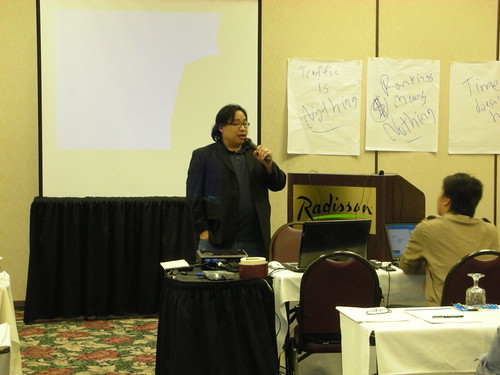
Dr.Mike learns the peepul how to make money on the internets @ TrafficTornado in Austin, June 2008 by mrdavegonzalez


RDR standalone DLC disc dated <b>News</b> - Page 1 | Eurogamer.net

Read our news of RDR standalone DLC disc dated. ... Red Dead Redemption Review . Latest Videos. RDR: Undead Nightmare trailer 1 October, 2010. RDR: Legends & Killers DLC 6 August, 2010. Latest News ...

Er, great <b>news</b>: George Lucas may be planning new “Star Wars <b>...</b>

My instinct is to shudder; most of you, I suspect, will react the same way. And let's pause here to appreciate how amazing that is. So reviled are the prequels that news of new entries in the greatest sci-fi franchise in movie history ...

Google donates $5 million for <b>news</b> innovation to Knight Foundation <b>...</b>

Google and news organizations have had a rocky time of it. To overdramatize the situation only slightly: Google insists that it cares about journalism as a.


bench craft company complaints bench craft company complaints

Fallacy Debunking: Successful New Business Model Examples Are The 'Exception'

from the debunker's-forum dept

I've been meaning to start to put together a series of posts that debunk the common "criticisms" we get that are all too often based on logical fallacies. I end up spending way too much time in the comments responding to people posting those same logical fallacies over and over again, and it would be nice to be able to point to posts that "answer" the complaints quickly. I'm still not sure if I'll ever really get around to it, but sometimes someone else does such a nice job of it, that I might as well highlight it with a post here.


In this case, it's the commonly claimed fallacy that all these new business models don't really matter because of two things: (1) so much money is still going to the "big players," and (2) there are only a "few" examples of these models working, so they're outliers.


One example of this kind of thinking was seen in the comments to our recent post about the developer of the game Minecraft making $100,000 per day, without any distribution or retail deals or really any outside help. Yet, one of our commenters said this was nothing, because Halo made $200 million on its first day. Of course, that's a pure apples to oranges comparison. Halo is from Microsoft, and involves a giant team, a huge budget, massive advertising and distribution deals. I would guess that if you compared the two in terms of profitability per developer, Minecraft would win by a wide, wide margin.


Anyway, it's a meaningless comparison. Setting an artificial level as determining what counts as a "success" makes no sense. What we're interested in when we're looking at new business models and new strategies is how these compare to how a similar person would have done without those models. Without the internet and the ability to distribute Minecraft the way Markus Persson is doing so, he wouldn't be making anywhere near $100,000 per day. More likely is that he'd be working for a much larger gaming company, one piece in a cog, and bringing in something closer to $100,000 for the year, and not working on projects nearly as interesting.


Another example of this occurred earlier this year, when a Billboard reporter, Anthony Bruno, attacked the concept of "CwF+RtB" by arguing that I've only "cherry picked" the success stories, and many who have tried it failed to become successful. But, that makes no sense. No one guaranteed that using a smart business model automatically makes your band a huge success. What we said is that if you do it right, it's likely you'd be more successful than otherwise -- but that still might involve only a minor improvement if under the old system you wouldn't be successful at all. And if the CwF+RtB concept doesn't matter because some artists who have used it haven't become big stars, then wouldn't that mean that the "traditional" model of big record label/sell CDs has always been a dreadful failure since so few artists become successful that way? After all, pointing to the success of Led Zeppelin or Pink Floyd or the Beatles under the old model, is certainly pointing to the cherry-picked "exceptions."


Andrew Dubber points us to a fantastic blog post by Rich Huxley, of the band Hope & Social, who ran into this sort of "criticism" after writing a blog post (similar to many we've written) reminding everyone that the big record labels are not the "music industry." In the comments, a guy named Tim London challenged that by claiming that since the big record labels still take in a ton of money (in aggregate), and many of these new business models appear to be artists making much smaller amounts, the record labels still are the industry. One sentence from his comment should give you the general summary:


I know you're wrong because the music industry as represented by the majors is still coining it and the music industry as rep'd by you is getting by, struggling, working part time or making music as a hobby.

There's that apples and oranges comparison again. Thankfully, Huxley decided to write an entire (brilliant) blog post debunking the idea that the total amount of money some record labels make is indicative of the overall value of a particular model. First, he goes through some basics to show how many musicians there are out there, and points out that money made isn't always an indicator of quality ("That Van Gogh was a penniless artists does not diminish the greatness of his work.")


But then comes the real point, explained eloquently. The critics like this highlight the huge earners in the existing industry, but ignore that the overwhelming majority of the folks who try to go the old route end up making $0. They mock the person embracing new business models for "only" making a decent living, ignoring the fact that so many who went the way they prefer were drummed out of the industry making no living at all. Here's the way Huxley explains it:

Less than 10% of signed artists recoup. Take Maximo Park for example. They have by their own admission never made a penny from record sales and make their money from DJ sets in the main. An example I have first hand knowledge of, Embrace, have sold millions of albums, they were a genuinely massive band; they performed from Glastonbury main-stage to Top Of The Pops and everywhere in-between. When they split from Virgin, they owed their label three quarters of a million pounds. I guess my point is that if we promote the Trad Music Biz's model as "The model" then the message we'd be sending is:

  • less than one percent of musical artists are part of the music business

  • only a tenth of those will recoup and make money from their record sales, and that's good

  • an artist should be saddled with debt, the rate at which they pay that back is equivalent to a credit card with a 900% interest rate


Basically, the problem is that those who cherry pick just the biggest artists ignore all the ones who made nothing at all from a record label deal, thanks to the fun of RIAA accounting. In other words, those artists are the true "exceptions." They're the ones who got the winning lottery ticket, but you can't ignore all those who got nothing. If you were to put all of the musicians who went the "traditional" route into a set, and all of the musicians going the "new" route into a set, and took the median, I'd guarantee that it would be higher in the new set. And that's the point. Embracing the new ways makes it much more likely that you'll make some money. It improves your chance of being able to make money making music. And that seems like a good thing, right?


As a part of that, of course, is that all of the costs have gone down with the new ways of doing things. The reason why people needed the old gatekeepers to fund stuff in the past was because there were no cheaper options. The only way to actually get this stuff done was to go through them. But these days, everything is cheaper. As Huxley notes with his band:

Hope and Social believe in and benefit from Pay What You Want. We go on about this here, but also... As musicians, we all have the ability to take advantage of the same channels that H&S have:

  • dramatically reduced costs of recording


  • a zero cost of distribution (should we choose to make mp3s available on the internet then there's no cost to us. This is miles away from the Trad model where the cost of recording and manufacture made it nigh on impossible to record and release independently)

  • reduced cost of promotion (CD's don't need to be sent to reviewers, press etc at the cost of a quid per CD, and half again on postage)

  • and by building relationships with people, they become our PRs, our evangelists (to coin another religious term, man I've got to stop doing that)


Also, there is a value in making your music available for free. If someone downloads an album of ours and shares it with a friend, copies the CD, plays it at a party, then that's how we share and have our music heard by more people. This results in:


  • higher gig attendances

  • better paid shows

  • more sales of our music

  • more sales on other merchandise and art that we, and our fans make.


Finally, I'll make one final debunking point that Huxley didn't cover: London seems to have confused absolute revenue with the change in revenue (delta). If you look at those embracing new models, it may be smaller (now), but it's growing quite quickly. If you look at the big record labels, they're declining in size. Which trend is a better bet? It's really a version of the Innovator's Dilemma where the new growth trend is ignored because it's not "as big" as the legacy business. Ignoring the deltas is dangerous.


And there we go. If you're claiming these new model success stories are the "exception," then it's only fair to admit that those who succeed under the traditional models you claim are so good were actually much bigger "exceptions." Can we now consider this argument debunked, and just link back to this post any time people bring up an argument like this?


276 Comments | Leave a Comment..


I’m sure you’ve heard about the Juan Williams/NPR debacle. You may also know that Senator Jim DeMint has vowed to introduce legislation that will deprive NPR, as well as public television, of taxpayer funds. It seems that in this political climate, asking a candidate where they stand on funding public broadcasting or the arts has become the new litmus test, replacing questions about abortion and gay rights.


In other words, it’s Christmas everyday for Libertarians.


There seem to be three consistent arguments in favor of tax dollars being spent on public broadcasting and government subsidies for “art,” First, the defenders question the amount of money actually on the table. After all, these programs are but a teeny-tiny piece of our ever expanding government. Secondly, dispensing taxpayer cash on media is “in the public interest.” In the unholy pursuit of “profits,” private broadcasters and artists often compromise their work to make money. Private news organizations like FOX and MSNBC sensationalize the news and have become hyper-partisan in order to increase ratings and advertising dollars. We need outlets that are free from the restraints of the free market. And, of course, there is the elephant in the room, which in this case is a giant yellow bird. “Sesame Street.”


What kind of Islamophobic, racist, evil, baby-blood-drinking fascist wants to send Elmo to the unemployment line?


The first argument is simply ridiculous. We’ve all had to, at one point or another, examine our household budgets and look for spending cuts. We write down a list of our expenses, organizing them in order of both cost and importance. At the top is stuff like rent/mortgages, utilities, car payments etc. Towards the bottom is the fun stuff like vacations, extra cable channels, and faster internet. Everybody always starts at the bottom. Nobody starts at the top. “Hey, let’s ditch the house and keep our annual trip to the Wisconsin Dells?”  My girlfriend always likes to try and sneak cigarettes and scotch into the non-essential category. Nice try. I always push for more mac and cheese in order to keep my subsidies of R.J. Reynolds and Pernod Ricard intact. But I digress.


The money we spend on arts and media at the federal level is never too small to ignore. I think most taxpayers would trade a free movie ticket once a year for all the Bill Moyers specials, Nina Totenberg insight, and jars of pee and crucifixes that our federal government can buy. Public broadcasting and the arts are but two of a myriad of programs with similar “insignificant” funding. You start nuking all of them and before you know it, that free ticket to AMC becomes a down payment on a car. It is the height of arrogance to imply that waste and questionable costs at any level are acceptable or insignificant. To make this argument reveals that the person making it has a grotesque understanding of the relationship between government and tax payer.


The second argument is disingenuous, but not for the reasons that you may think. There is a real and tangible value to news and media that is free from a personal or corporate bias. A news organization or television network whose motto was a Jack Webb quote would actually serve the public. Unfortunately, the CPB has failed their mission.


And what about the educational and quality entertainment like “Sesame Street”? Surely, even a miserly old curmudgeon like me can see the value in allowing quality programming to be financed without the tinkering of executives or the pressure of ratings? The answer is, without a doubt, yes. Unfortunately for you, my statist apologist advisories, all of the shows that have come from public broadcasting that are a “value to the public” have also demonstrated financial solvency in the free market. “Sesame Street” is worth more than a Dr. Evil ransom. “Austin City Limits” makes money from the live performance venues (charging admission) and from selling recordings on sites like itunes in addition to generating revenue from ads on websites like youtube.


The point is that it is up to the producers of these shows to protect the integrity of their work. There is great value in alternative financing structures, through sponsorships, donations, and merchandising. That is without question.


“Sesame Street” makes enough money through merchandising to PURCHASE air time from private networks. No need for Elmo and Co. to sell out the quality or educational value of their show. The ancillary incomes from the “Sesame Street” empire would allow the producers to make the show any way they wanted. If they stuck to their principles, it wouldn’t matter if they were on PBS or ABC Family. However, the recent Katy Perry “incident” suggests to me that even with public financing the current people behind the show may be slipping a bit. I’ve included the Katy Perry video below, purely for informational purposes. I’ve watched it 72 times to accurately shape my opinion.


—–


The free market value of shows that used to be PBS type stuff is rather apparent. The History Channel, Discovery, National Geographic channel exclusively air programming that was once solid PBS territory. As a kid growing up, I used to watch “Dr. Who” on PBS. You know, the same show that you now watch on BBC America, Syfy, or on demand on Netflix. And it’s TLC, not PBS, that has greenlit a series that showcases the wonders of Alaska as seen through the eyes of a popular American figure.


This whole debate and kurfuffle exposes a much larger truth. The bone of contention isn’t so much whether or not this type of funding, in it’s stated form, has value to our society. The problem is the human factor. On paper, we can say that these public institutions are above the fray of the free market and bias, but they aren’t. The mission of an NPR is a noble one. It is the execution that is flawed. The CPB gives us government versions of MSNBC and Air America that don’t have to worry about crappy ratings. Our tax dollars immunize partisans and people of questionable on-air talent from the grim realties of cancellation.


But isn’t that the way it always is? We are constantly lectured about the value of “public” institutions and programs vs. the evil private industries that provide the same services. But, at their root, when you introduce the human element, these “public” entities function in exactly the same way as their private counterparts, minus the checks and balances of the free market. Where are, as Milton Friedman once asked Phil Donahue, these “angels” who will manage these public programs for us?


—–


Where are they indeed, Milton.


Shouldn’t ideologues be willing to take the hit personally? Shouldn’t any organization that relies, in any part, on forcibly confiscated citizen funds be held to incredibly high standards? If someone is going to ask for all of us to pitch in, shouldn’t they lead the way, donating their blood, sweat and tears to what they believe in? It is rather egregious that NPR personalities and executives have competitive, and in some cases superior, compensation to their private industry counterparts. If you don’t like the money, can’t afford to do it, then, in the words of Chris Christie, don’t do it. On top of that, the people who work in these public sectors must themselves be above the fray, putting their own bias and ideology on the back burner to serve the greater good.


For Public Broadcasting or arts financing to have any hope of working and actually living up to their oft defended and declared mission statements, radical changes are needed. Nobody should plan on becoming rich and famous from a career in public broadcasting. Volunteer, balanced advisory boards must be created to ensure that public funds do actually serve the public, and not a small minority of small minded leftists. I’m sure Leigh Scott, John Nolte, Rush Limbaugh and Andrew Breitbart would volunteer some time to review PBS programming schedules and NEA submissions.


But nobody’s asking us. The notion of a “public interest” is undermined by the very people who champion it.  It shouldn’t be up to me, a capitalist slime ball who makes movies featuring mutants and flying monsters to be obsessed with the integrity and bias of the CPB, NEH, or NEA. It should be the obsession of the people who have dedicated their lives to these organizations and their mission statements.


But it isn’t.  So, these public programs have become the extra cable channels and Disneyland trips of the federal budget. Time to tighten our belts.  Sorry, but they gotta go.


bench craft company complaints

RDR standalone DLC disc dated <b>News</b> - Page 1 | Eurogamer.net

Read our news of RDR standalone DLC disc dated. ... Red Dead Redemption Review . Latest Videos. RDR: Undead Nightmare trailer 1 October, 2010. RDR: Legends & Killers DLC 6 August, 2010. Latest News ...

Er, great <b>news</b>: George Lucas may be planning new “Star Wars <b>...</b>

My instinct is to shudder; most of you, I suspect, will react the same way. And let's pause here to appreciate how amazing that is. So reviled are the prequels that news of new entries in the greatest sci-fi franchise in movie history ...

Google donates $5 million for <b>news</b> innovation to Knight Foundation <b>...</b>

Google and news organizations have had a rocky time of it. To overdramatize the situation only slightly: Google insists that it cares about journalism as a.


bench craft company complaints bench craft company complaints

RDR standalone DLC disc dated <b>News</b> - Page 1 | Eurogamer.net

Read our news of RDR standalone DLC disc dated. ... Red Dead Redemption Review . Latest Videos. RDR: Undead Nightmare trailer 1 October, 2010. RDR: Legends & Killers DLC 6 August, 2010. Latest News ...

Er, great <b>news</b>: George Lucas may be planning new “Star Wars <b>...</b>

My instinct is to shudder; most of you, I suspect, will react the same way. And let's pause here to appreciate how amazing that is. So reviled are the prequels that news of new entries in the greatest sci-fi franchise in movie history ...

Google donates $5 million for <b>news</b> innovation to Knight Foundation <b>...</b>

Google and news organizations have had a rocky time of it. To overdramatize the situation only slightly: Google insists that it cares about journalism as a.


bench craft company complaints bench craft company complaints

RDR standalone DLC disc dated <b>News</b> - Page 1 | Eurogamer.net

Read our news of RDR standalone DLC disc dated. ... Red Dead Redemption Review . Latest Videos. RDR: Undead Nightmare trailer 1 October, 2010. RDR: Legends & Killers DLC 6 August, 2010. Latest News ...

Er, great <b>news</b>: George Lucas may be planning new “Star Wars <b>...</b>

My instinct is to shudder; most of you, I suspect, will react the same way. And let's pause here to appreciate how amazing that is. So reviled are the prequels that news of new entries in the greatest sci-fi franchise in movie history ...

Google donates $5 million for <b>news</b> innovation to Knight Foundation <b>...</b>

Google and news organizations have had a rocky time of it. To overdramatize the situation only slightly: Google insists that it cares about journalism as a.


bench craft company complaints bench craft company complaints

Friday, October 22, 2010

People Making Money Online

Dr. Rado Kotorov is chief innovation officer at Information Builders, and is responsible for emerging reporting, analytic and visualization technologies. He has developed analytic models and applications for the pharmaceutical, retail, CPG, financial and automotive industries.

You’ve likely been experiencing a deluge of online information coming at you in recent years — an overwhelming number of status updates, e-mails, tagged images and so forth. You’ve probably also seen, and potentially been alarmed by, the growing accuracy of targeted advertisements — “People You May Know,” and other “offers” online.

As the quantity of irrelevant information has exploded online, so too has the market for the delivery of targeted offers and information. Social networks, in theory and in practice, expose many people to contact and influence. Without precise models, people will continue to be bombarded with ineffective offers and other irrelevant information. Predictive analytics, a branch of data mining concerned with predicting future probabilities and trends, applies a filter to users’ online interactions with the aim of delivering more value from a sea of irrelevance.

With increased value comes the potential for social networks to make money as well. Here’s a look at some specific ways in which predictive analytics will make social networks money.

Recruiting

Many recruiting sites out there on the web, from LinkedIn to SelectMinds to Monster, promise to be able to match candidates with job requirements in unique and increasingly accurate ways. Predictive analytics is at the core of their business model, as it automates the process of making these matches.

When a recruiter posts a job description, a predictive algorithm runs through candidates and calculates compatibility. The technology is, in many cases, embedded in search applications. The most accurate and efficient of these analytics will deliver the most value and see the greatest adoption over time. Those recruiting and talent acquisition sites that allow businesses to leverage the existing social networks of their current and former employees are the best positioned to monetize their users’ employment data in new ways. Businesses can get value from these existing networks without the time and resource commitment it takes to build their own.

Sentiment Analysis

As sites like Twitter and Facebook gain value to the business world, many companies have cropped up to analyze and establish what the sentiment is of the collective online intelligence and also to identify individuals with influence and authority. Companies including Klout, ViralHeat and Radian6 all scan blogs and other social media channels with predictive models to determine if the content surrounding a brand or person is negative, positive or neutral. As this information becomes increasingly valuable to businesses of all sizes, these sentiment analysis companies are expected to grow rapidly.

Market Fluctuation

Social media channels are open to everyone. Day traders, retail investors and analysts are cruising around on Twitter and Facebook. What these types of people say and do online is not insignificant in an era when [Flash Crashes and Fat Fingers] are being closely scrutinized and regulated. New models are cropping up to predict stock fluctuations based on Twitter posts. Similar to sentiment analysis, these companies are able to look at the total number of tweets, as well as positive and negative comments to predict whether a stock price will go up or down. These types of companies will become a hot commodity as investors begin to rely on the wisdom of crowds.

Recommendation Engines

No one likes to be bombarded with irrelevant offers and content while using their favorite social network. But the more active you are online, the more effectively predictive analytics can work to deliver targeted and relevant offers.

Sometimes it feels like Facebook knows you better than you know yourself. RSVPed “Yes” to that big gala? You may see a discount offer for Saks. [Are you a woman between the ages of 18 and 34? A Facebook ad may tell you how you can lose those extra inches around your waist.] These offers are no longer random and are therefore increasingly effective. Leveraging the existing data from your previous activity to predict what will happen in the future is becoming, rightly, more prevalent and valuable to social networks that can sell this promise to businesses and intermediaries.

Location-Based Marketing

Do you walk down the same street at dinner time every day? Wish restaurants on that street would compete in real-time for your business?

As social networks add in more location-aware features like Facebook Places and whole new businesses are built on the promise of geo-location including SCVNGR and ShopKick, predictive analytics deliver insights into where groups and individuals will be and when, not to mention what their interests may be. For businesses, there is big money to be spent on location-based advertising in the coming years. As a result, social networks can run their existing location data through predictive models to provide companies with future insights into where to allocate their marketing and advertising budgets for the biggest returns.

More Business Resources from Mashable:

- How Companies Can Use Sentiment Analysis to Improve Their Business/> - HOW TO: Earn Some Inexpensive Online Exposure for Your Small Business/> - HOW TO: Accept Credit Card Payments on Mobile Devices/> - 6 Tips on Starting a Digital Business from the Founder of Pandora/> - 5 Big Social Media Questions from Small Business Owners

Images courtesy of iStockphoto, Nikada, AUDINDesign

For more Business coverage:

    class="f-el">class="cov-twit">Follow Mashable Businessclass="s-el">class="cov-rss">Subscribe to the Business channelclass="f-el">class="cov-fb">Become a Fan on Facebookclass="s-el">class="cov-apple">Download our free apps for iPhone and iPad

“The long-simmering feud between Democrats and the U.S. Chamber of Commerce has erupted into a full-scale war…


“‘Just this week, we learned that one of the largest groups paying for these ads regularly takes in money from foreign corporations,’ Obama said at a Thursday rally for Maryland Gov. Martin O’Malley. ‘So groups that receive foreign money are spending huge sums to influence American elections, and they won’t tell you where the money for their ads comes from.’


“R. Bruce Josten, the chamber’s executive vice president for government affairs, said in an interview Friday that the group ‘has never and will never’ use dues collected from overseas business councils, known as ‘AmChams,’ for U.S. political activities. He said the chamber is the victim of ‘a smear campaign’ orchestrated with the involvement of the White House.


“‘This is an outlandish act of desperation from people who are not able to run on their record,’ Josten said. ‘They have stooped to smear campaigns.’”


***

“But a closer examination shows that there is little evidence that what the chamber does in collecting overseas dues is improper or even unusual, according to both liberal and conservative election-law lawyers and campaign finance documents…


“Organizations from both ends of the political spectrum, from liberal ones like the A.F.L.-C.I.O. and the Sierra Club to conservative groups like the National Rifle Association, have international affiliations and get money from foreign entities while at the same time pushing political causes in the United States.


“In addition, more than 160 political action committees active in campaigning have been set up by corporations that are based overseas, including military contractors like B.A.E. Systems and pharmaceutical giants like GlaxoSmithKline, according to data from the Center for Responsive Politics, a nonpartisan research service…


“Richard L. Hasen, an election-law specialist at Loyola Law School in Los Angeles, said there were legitimate questions about whether foreign money could be making its way into campaigns, particularly because many groups are not required to disclose their donors. But he added, ‘I’ve seen no proof of the chamber funneling a penny of foreign money into U.S. elections.’”


***

“Obama’s ‘foreign money’ claims are bogus. They’re also pretty rich, considering how his 2008 campaign handled foreign credit cards. From that National Journal story: ‘The lack of a computerized address-verification system would allow the Obama campaign’s computers to accept online donations from U.S. citizens above legal limits, and to accept donations from foreigners who are barred by law from contributing at all.’ Perhaps its time to remind people of that issue again. Oh, wait, I just did!”


***


Fox <b>News</b> Gives Juan Williams $2 Million Contract | 89.3 KPCC

NPR has been sharply criticized for terminating the contract of news analyst Juan Williams for remarks he made about Muslims. Williams appeared on Fox's "The O'Reilly Factor" Thursday night to respond to NPR's decision.

autosport.com - F1 <b>News</b>: Tweaks to be made to Korean track

Korean Grand Prix organisers are making minor modifications to the new Formula 1 track on Friday night following complaints from drivers about potential trouble spots on the new Yeongam circuit.

BillBoard - Blogs - The Buffalo <b>News</b>

The Buffalo News updated every day with news from Buffalo, New York. Links to national and business news, entertainment listings, recipes, sports teams, classified ads, death notices.


eric seiger eric seiger

Dr. Rado Kotorov is chief innovation officer at Information Builders, and is responsible for emerging reporting, analytic and visualization technologies. He has developed analytic models and applications for the pharmaceutical, retail, CPG, financial and automotive industries.

You’ve likely been experiencing a deluge of online information coming at you in recent years — an overwhelming number of status updates, e-mails, tagged images and so forth. You’ve probably also seen, and potentially been alarmed by, the growing accuracy of targeted advertisements — “People You May Know,” and other “offers” online.

As the quantity of irrelevant information has exploded online, so too has the market for the delivery of targeted offers and information. Social networks, in theory and in practice, expose many people to contact and influence. Without precise models, people will continue to be bombarded with ineffective offers and other irrelevant information. Predictive analytics, a branch of data mining concerned with predicting future probabilities and trends, applies a filter to users’ online interactions with the aim of delivering more value from a sea of irrelevance.

With increased value comes the potential for social networks to make money as well. Here’s a look at some specific ways in which predictive analytics will make social networks money.

Recruiting

Many recruiting sites out there on the web, from LinkedIn to SelectMinds to Monster, promise to be able to match candidates with job requirements in unique and increasingly accurate ways. Predictive analytics is at the core of their business model, as it automates the process of making these matches.

When a recruiter posts a job description, a predictive algorithm runs through candidates and calculates compatibility. The technology is, in many cases, embedded in search applications. The most accurate and efficient of these analytics will deliver the most value and see the greatest adoption over time. Those recruiting and talent acquisition sites that allow businesses to leverage the existing social networks of their current and former employees are the best positioned to monetize their users’ employment data in new ways. Businesses can get value from these existing networks without the time and resource commitment it takes to build their own.

Sentiment Analysis

As sites like Twitter and Facebook gain value to the business world, many companies have cropped up to analyze and establish what the sentiment is of the collective online intelligence and also to identify individuals with influence and authority. Companies including Klout, ViralHeat and Radian6 all scan blogs and other social media channels with predictive models to determine if the content surrounding a brand or person is negative, positive or neutral. As this information becomes increasingly valuable to businesses of all sizes, these sentiment analysis companies are expected to grow rapidly.

Market Fluctuation

Social media channels are open to everyone. Day traders, retail investors and analysts are cruising around on Twitter and Facebook. What these types of people say and do online is not insignificant in an era when [Flash Crashes and Fat Fingers] are being closely scrutinized and regulated. New models are cropping up to predict stock fluctuations based on Twitter posts. Similar to sentiment analysis, these companies are able to look at the total number of tweets, as well as positive and negative comments to predict whether a stock price will go up or down. These types of companies will become a hot commodity as investors begin to rely on the wisdom of crowds.

Recommendation Engines

No one likes to be bombarded with irrelevant offers and content while using their favorite social network. But the more active you are online, the more effectively predictive analytics can work to deliver targeted and relevant offers.

Sometimes it feels like Facebook knows you better than you know yourself. RSVPed “Yes” to that big gala? You may see a discount offer for Saks. [Are you a woman between the ages of 18 and 34? A Facebook ad may tell you how you can lose those extra inches around your waist.] These offers are no longer random and are therefore increasingly effective. Leveraging the existing data from your previous activity to predict what will happen in the future is becoming, rightly, more prevalent and valuable to social networks that can sell this promise to businesses and intermediaries.

Location-Based Marketing

Do you walk down the same street at dinner time every day? Wish restaurants on that street would compete in real-time for your business?

As social networks add in more location-aware features like Facebook Places and whole new businesses are built on the promise of geo-location including SCVNGR and ShopKick, predictive analytics deliver insights into where groups and individuals will be and when, not to mention what their interests may be. For businesses, there is big money to be spent on location-based advertising in the coming years. As a result, social networks can run their existing location data through predictive models to provide companies with future insights into where to allocate their marketing and advertising budgets for the biggest returns.

More Business Resources from Mashable:

- How Companies Can Use Sentiment Analysis to Improve Their Business/> - HOW TO: Earn Some Inexpensive Online Exposure for Your Small Business/> - HOW TO: Accept Credit Card Payments on Mobile Devices/> - 6 Tips on Starting a Digital Business from the Founder of Pandora/> - 5 Big Social Media Questions from Small Business Owners

Images courtesy of iStockphoto, Nikada, AUDINDesign

For more Business coverage:

    class="f-el">class="cov-twit">Follow Mashable Businessclass="s-el">class="cov-rss">Subscribe to the Business channelclass="f-el">class="cov-fb">Become a Fan on Facebookclass="s-el">class="cov-apple">Download our free apps for iPhone and iPad

“The long-simmering feud between Democrats and the U.S. Chamber of Commerce has erupted into a full-scale war…


“‘Just this week, we learned that one of the largest groups paying for these ads regularly takes in money from foreign corporations,’ Obama said at a Thursday rally for Maryland Gov. Martin O’Malley. ‘So groups that receive foreign money are spending huge sums to influence American elections, and they won’t tell you where the money for their ads comes from.’


“R. Bruce Josten, the chamber’s executive vice president for government affairs, said in an interview Friday that the group ‘has never and will never’ use dues collected from overseas business councils, known as ‘AmChams,’ for U.S. political activities. He said the chamber is the victim of ‘a smear campaign’ orchestrated with the involvement of the White House.


“‘This is an outlandish act of desperation from people who are not able to run on their record,’ Josten said. ‘They have stooped to smear campaigns.’”


***

“But a closer examination shows that there is little evidence that what the chamber does in collecting overseas dues is improper or even unusual, according to both liberal and conservative election-law lawyers and campaign finance documents…


“Organizations from both ends of the political spectrum, from liberal ones like the A.F.L.-C.I.O. and the Sierra Club to conservative groups like the National Rifle Association, have international affiliations and get money from foreign entities while at the same time pushing political causes in the United States.


“In addition, more than 160 political action committees active in campaigning have been set up by corporations that are based overseas, including military contractors like B.A.E. Systems and pharmaceutical giants like GlaxoSmithKline, according to data from the Center for Responsive Politics, a nonpartisan research service…


“Richard L. Hasen, an election-law specialist at Loyola Law School in Los Angeles, said there were legitimate questions about whether foreign money could be making its way into campaigns, particularly because many groups are not required to disclose their donors. But he added, ‘I’ve seen no proof of the chamber funneling a penny of foreign money into U.S. elections.’”


***

“Obama’s ‘foreign money’ claims are bogus. They’re also pretty rich, considering how his 2008 campaign handled foreign credit cards. From that National Journal story: ‘The lack of a computerized address-verification system would allow the Obama campaign’s computers to accept online donations from U.S. citizens above legal limits, and to accept donations from foreigners who are barred by law from contributing at all.’ Perhaps its time to remind people of that issue again. Oh, wait, I just did!”


***


Fox <b>News</b> Gives Juan Williams $2 Million Contract | 89.3 KPCC

NPR has been sharply criticized for terminating the contract of news analyst Juan Williams for remarks he made about Muslims. Williams appeared on Fox's "The O'Reilly Factor" Thursday night to respond to NPR's decision.

autosport.com - F1 <b>News</b>: Tweaks to be made to Korean track

Korean Grand Prix organisers are making minor modifications to the new Formula 1 track on Friday night following complaints from drivers about potential trouble spots on the new Yeongam circuit.

BillBoard - Blogs - The Buffalo <b>News</b>

The Buffalo News updated every day with news from Buffalo, New York. Links to national and business news, entertainment listings, recipes, sports teams, classified ads, death notices.


eric seiger eric seiger


Making Money Online! by julian barabas


Wednesday, October 20, 2010

Making Money on Line


When the New York Times punctures a White House meme, it can reasonably be considered a flop.  Last week, Barack Obama himself accused the Chamber of Commerce of using foreign money to push its domestic political activism, which would violate election law.  Unfortunately, as the Times reports, the White House had absolutely no evidence of any wrongdoing.  And Obama failed to mention that plenty of groups on the Left, especially labor unions, raise money outside the US as well.


Now the White House is trying to step back from their earlier accusations of illegality, but they’re still desperately trying to hang onto the line of attack:


White House officials acknowledged Friday that they had no specific evidence to indicate that the chamber had used money from foreign entities to finance political attack ads.


“The president was not suggesting any illegality,” Bob Bauer, the White House counsel, said. Instead, he said Mr. Obama’s reference to the chamber was meant to draw attention to the inadequacies of campaign disclosure laws in allowing groups to spend large amounts of money on politics without disclosing their donors.


White House officials called on the chamber to go beyond current disclosure laws and establish that no foreign money has been used in its political campaigns. “They can put this to rest,” said Joshua Earnest, a White House spokesman. “They have the keys to the file cabinet.”


Is that how it works in the United States in the era of Hopenchange?  The President makes an accusation of lawbreaking without any evidence of it, and the entity accused has to prove their innocence?   In this country, the government has to prove its case, not the defendant, and even before making an accusation of wrongdoing usually has to have some evidence of the crime in the first place.


This kind of rhetoric is nothing short of McCarthyism.  The government makes baseless accusations and then blames the people accused for not clearing themselves.  Will Obama start appearing at rallies with his “little list” of an ever-changing number of foreign contributors?  The White House launched the same kind of baseless attacks on the Koch family and Americans for Prosperity this summer and have yet to offer one substantial piece of evidence that any of these groups or people have done anything wrong at all, except to oppose Obama’s policies.


This is an administration that apparently has never learned the difference between being a political campaign and serving in the government.  In the former situation, this would constitute slander, which is bad enough.  When it comes from the government, it’s a form of tyranny — an attempt to use the power of government to silence dissent.


I wrote about two startups today that raised angel-sized financing rounds of around $1 million each: Hipmunk and Alphonso Labs. What caught my eye about both deals is this – neither had involvement from the so called “super angels” (except Hipmunk, which took an investment from SV Angel).


Hipmunk raised from traditional individual investors. Alphonso Labs raised money from venture capitalists.


Super Angels are investors who previously invested only their own money but at some point raised small funds and started investing third party money. That makes them indistinguishable from traditional venture funds in most respects.


Unlike angel investors, super angels have limited partners to answer to. And if returns aren’t competitive, those limited partners go elsewhere. Which is why we’re seeing so much stress emerge in the sector. Competition is fierce, and valuations are rising.


In fact, valuations are rising so quickly that a crucial psychological milestone has been reached – the $4 million pre money valuaiton. That was the primary reason that led to the formation of the AngelGate group, say multiple sources who attended those meetings.


For the first time this year the valuation on early stage deals started to average more than $4 million, say our sources. And that is the threshold where super angels’ valuation models start to break.


In a typical super angel round a company will raise $1 million on, say, a $4 million pre-money valuation. That gives investors 20% of the company, which is worth $5 million after the transaction is closed (the $4 million valuation plus the $1 million they just received)


Unlike old school venture capitalists, super angels are only counting on small exits of $15 million – $30 million. They need 7/10 or more of their companies to have these small exits to make any money. Any less and they won’t be able to raise new funds. Traditional VCs only count on 3-4 deals even returning capital. The rest are losses. But at least one of those ten deals is a huge home run, returning 10x the initial investment. Or more.


But with valuations rising, say investors we’ve spoken with, even 7 or 8 “wins” out of 10 won’t be enough to sustain the funds, given how small the acquisitions are. So exit valuations must increase, which is unlikely given the small number of buyers competing for deals, or valuations need to decline.


Some investors are just paying the higher valuations – Dave McClure is a notable example. Others are sitting on the sidelines and not investing much.


But all are griping.


The rising popularity of convertible notes, which are actually debt rounds that convert to equity later on, is increasing stress on the system. In some cases there aren’t any price protections for investors in those deals at all.


What happens next? Some of the super angel funds need to disappear, say Silicon Valley insiders. And maybe that’s for the best. The ones that are left standing will have an easier time making money down the road.


robert shumake twitter

Probably Bad <b>News</b>: Sex Education FAIL - Epic Fail Funny Videos and <b>...</b>

epic fail photos - Probably Bad News: Sex Education FAIL.

ABC <b>News</b> Exclusive: Tea Party Candidate in Nevada Senate May Tip <b>...</b>

Scott Ashjian calls himself the “Tea Party of Nevada” candidate for US Senate, but he tells ABC News that he would be “at peace” knowing he helped re-elect Harry Reid by siphoning votes away from Sharron Angle. The Note, authored by ABC ...

Photo of the Week: iPhone 3GS in Shanghai | iLounge <b>News</b>

iLounge news discussing the Photo of the Week: iPhone 3GS in Shanghai. Find more Site News news from leading independent iPod, iPhone, and iPad site.


robert shumake hall of shame

When the New York Times punctures a White House meme, it can reasonably be considered a flop.  Last week, Barack Obama himself accused the Chamber of Commerce of using foreign money to push its domestic political activism, which would violate election law.  Unfortunately, as the Times reports, the White House had absolutely no evidence of any wrongdoing.  And Obama failed to mention that plenty of groups on the Left, especially labor unions, raise money outside the US as well.


Now the White House is trying to step back from their earlier accusations of illegality, but they’re still desperately trying to hang onto the line of attack:


White House officials acknowledged Friday that they had no specific evidence to indicate that the chamber had used money from foreign entities to finance political attack ads.


“The president was not suggesting any illegality,” Bob Bauer, the White House counsel, said. Instead, he said Mr. Obama’s reference to the chamber was meant to draw attention to the inadequacies of campaign disclosure laws in allowing groups to spend large amounts of money on politics without disclosing their donors.


White House officials called on the chamber to go beyond current disclosure laws and establish that no foreign money has been used in its political campaigns. “They can put this to rest,” said Joshua Earnest, a White House spokesman. “They have the keys to the file cabinet.”


Is that how it works in the United States in the era of Hopenchange?  The President makes an accusation of lawbreaking without any evidence of it, and the entity accused has to prove their innocence?   In this country, the government has to prove its case, not the defendant, and even before making an accusation of wrongdoing usually has to have some evidence of the crime in the first place.


This kind of rhetoric is nothing short of McCarthyism.  The government makes baseless accusations and then blames the people accused for not clearing themselves.  Will Obama start appearing at rallies with his “little list” of an ever-changing number of foreign contributors?  The White House launched the same kind of baseless attacks on the Koch family and Americans for Prosperity this summer and have yet to offer one substantial piece of evidence that any of these groups or people have done anything wrong at all, except to oppose Obama’s policies.


This is an administration that apparently has never learned the difference between being a political campaign and serving in the government.  In the former situation, this would constitute slander, which is bad enough.  When it comes from the government, it’s a form of tyranny — an attempt to use the power of government to silence dissent.


I wrote about two startups today that raised angel-sized financing rounds of around $1 million each: Hipmunk and Alphonso Labs. What caught my eye about both deals is this – neither had involvement from the so called “super angels” (except Hipmunk, which took an investment from SV Angel).


Hipmunk raised from traditional individual investors. Alphonso Labs raised money from venture capitalists.


Super Angels are investors who previously invested only their own money but at some point raised small funds and started investing third party money. That makes them indistinguishable from traditional venture funds in most respects.


Unlike angel investors, super angels have limited partners to answer to. And if returns aren’t competitive, those limited partners go elsewhere. Which is why we’re seeing so much stress emerge in the sector. Competition is fierce, and valuations are rising.


In fact, valuations are rising so quickly that a crucial psychological milestone has been reached – the $4 million pre money valuaiton. That was the primary reason that led to the formation of the AngelGate group, say multiple sources who attended those meetings.


For the first time this year the valuation on early stage deals started to average more than $4 million, say our sources. And that is the threshold where super angels’ valuation models start to break.


In a typical super angel round a company will raise $1 million on, say, a $4 million pre-money valuation. That gives investors 20% of the company, which is worth $5 million after the transaction is closed (the $4 million valuation plus the $1 million they just received)


Unlike old school venture capitalists, super angels are only counting on small exits of $15 million – $30 million. They need 7/10 or more of their companies to have these small exits to make any money. Any less and they won’t be able to raise new funds. Traditional VCs only count on 3-4 deals even returning capital. The rest are losses. But at least one of those ten deals is a huge home run, returning 10x the initial investment. Or more.


But with valuations rising, say investors we’ve spoken with, even 7 or 8 “wins” out of 10 won’t be enough to sustain the funds, given how small the acquisitions are. So exit valuations must increase, which is unlikely given the small number of buyers competing for deals, or valuations need to decline.


Some investors are just paying the higher valuations – Dave McClure is a notable example. Others are sitting on the sidelines and not investing much.


But all are griping.


The rising popularity of convertible notes, which are actually debt rounds that convert to equity later on, is increasing stress on the system. In some cases there aren’t any price protections for investors in those deals at all.


What happens next? Some of the super angel funds need to disappear, say Silicon Valley insiders. And maybe that’s for the best. The ones that are left standing will have an easier time making money down the road.


benchcraft company portland or

Probably Bad <b>News</b>: Sex Education FAIL - Epic Fail Funny Videos and <b>...</b>

epic fail photos - Probably Bad News: Sex Education FAIL.

ABC <b>News</b> Exclusive: Tea Party Candidate in Nevada Senate May Tip <b>...</b>

Scott Ashjian calls himself the “Tea Party of Nevada” candidate for US Senate, but he tells ABC News that he would be “at peace” knowing he helped re-elect Harry Reid by siphoning votes away from Sharron Angle. The Note, authored by ABC ...

Photo of the Week: iPhone 3GS in Shanghai | iLounge <b>News</b>

iLounge news discussing the Photo of the Week: iPhone 3GS in Shanghai. Find more Site News news from leading independent iPod, iPhone, and iPad site.


robert shumake twitter

robert shumake detroit

04-19-2009 005 by ABPUSA.US


robert shumake twitter

Probably Bad <b>News</b>: Sex Education FAIL - Epic Fail Funny Videos and <b>...</b>

epic fail photos - Probably Bad News: Sex Education FAIL.

ABC <b>News</b> Exclusive: Tea Party Candidate in Nevada Senate May Tip <b>...</b>

Scott Ashjian calls himself the “Tea Party of Nevada” candidate for US Senate, but he tells ABC News that he would be “at peace” knowing he helped re-elect Harry Reid by siphoning votes away from Sharron Angle. The Note, authored by ABC ...

Photo of the Week: iPhone 3GS in Shanghai | iLounge <b>News</b>

iLounge news discussing the Photo of the Week: iPhone 3GS in Shanghai. Find more Site News news from leading independent iPod, iPhone, and iPad site.


robert shumake twitter

When the New York Times punctures a White House meme, it can reasonably be considered a flop.  Last week, Barack Obama himself accused the Chamber of Commerce of using foreign money to push its domestic political activism, which would violate election law.  Unfortunately, as the Times reports, the White House had absolutely no evidence of any wrongdoing.  And Obama failed to mention that plenty of groups on the Left, especially labor unions, raise money outside the US as well.


Now the White House is trying to step back from their earlier accusations of illegality, but they’re still desperately trying to hang onto the line of attack:


White House officials acknowledged Friday that they had no specific evidence to indicate that the chamber had used money from foreign entities to finance political attack ads.


“The president was not suggesting any illegality,” Bob Bauer, the White House counsel, said. Instead, he said Mr. Obama’s reference to the chamber was meant to draw attention to the inadequacies of campaign disclosure laws in allowing groups to spend large amounts of money on politics without disclosing their donors.


White House officials called on the chamber to go beyond current disclosure laws and establish that no foreign money has been used in its political campaigns. “They can put this to rest,” said Joshua Earnest, a White House spokesman. “They have the keys to the file cabinet.”


Is that how it works in the United States in the era of Hopenchange?  The President makes an accusation of lawbreaking without any evidence of it, and the entity accused has to prove their innocence?   In this country, the government has to prove its case, not the defendant, and even before making an accusation of wrongdoing usually has to have some evidence of the crime in the first place.


This kind of rhetoric is nothing short of McCarthyism.  The government makes baseless accusations and then blames the people accused for not clearing themselves.  Will Obama start appearing at rallies with his “little list” of an ever-changing number of foreign contributors?  The White House launched the same kind of baseless attacks on the Koch family and Americans for Prosperity this summer and have yet to offer one substantial piece of evidence that any of these groups or people have done anything wrong at all, except to oppose Obama’s policies.


This is an administration that apparently has never learned the difference between being a political campaign and serving in the government.  In the former situation, this would constitute slander, which is bad enough.  When it comes from the government, it’s a form of tyranny — an attempt to use the power of government to silence dissent.


I wrote about two startups today that raised angel-sized financing rounds of around $1 million each: Hipmunk and Alphonso Labs. What caught my eye about both deals is this – neither had involvement from the so called “super angels” (except Hipmunk, which took an investment from SV Angel).


Hipmunk raised from traditional individual investors. Alphonso Labs raised money from venture capitalists.


Super Angels are investors who previously invested only their own money but at some point raised small funds and started investing third party money. That makes them indistinguishable from traditional venture funds in most respects.


Unlike angel investors, super angels have limited partners to answer to. And if returns aren’t competitive, those limited partners go elsewhere. Which is why we’re seeing so much stress emerge in the sector. Competition is fierce, and valuations are rising.


In fact, valuations are rising so quickly that a crucial psychological milestone has been reached – the $4 million pre money valuaiton. That was the primary reason that led to the formation of the AngelGate group, say multiple sources who attended those meetings.


For the first time this year the valuation on early stage deals started to average more than $4 million, say our sources. And that is the threshold where super angels’ valuation models start to break.


In a typical super angel round a company will raise $1 million on, say, a $4 million pre-money valuation. That gives investors 20% of the company, which is worth $5 million after the transaction is closed (the $4 million valuation plus the $1 million they just received)


Unlike old school venture capitalists, super angels are only counting on small exits of $15 million – $30 million. They need 7/10 or more of their companies to have these small exits to make any money. Any less and they won’t be able to raise new funds. Traditional VCs only count on 3-4 deals even returning capital. The rest are losses. But at least one of those ten deals is a huge home run, returning 10x the initial investment. Or more.


But with valuations rising, say investors we’ve spoken with, even 7 or 8 “wins” out of 10 won’t be enough to sustain the funds, given how small the acquisitions are. So exit valuations must increase, which is unlikely given the small number of buyers competing for deals, or valuations need to decline.


Some investors are just paying the higher valuations – Dave McClure is a notable example. Others are sitting on the sidelines and not investing much.


But all are griping.


The rising popularity of convertible notes, which are actually debt rounds that convert to equity later on, is increasing stress on the system. In some cases there aren’t any price protections for investors in those deals at all.


What happens next? Some of the super angel funds need to disappear, say Silicon Valley insiders. And maybe that’s for the best. The ones that are left standing will have an easier time making money down the road.


robert shumake hall of shame

04-19-2009 005 by ABPUSA.US


robert shumake hall of shame

Probably Bad <b>News</b>: Sex Education FAIL - Epic Fail Funny Videos and <b>...</b>

epic fail photos - Probably Bad News: Sex Education FAIL.

ABC <b>News</b> Exclusive: Tea Party Candidate in Nevada Senate May Tip <b>...</b>

Scott Ashjian calls himself the “Tea Party of Nevada” candidate for US Senate, but he tells ABC News that he would be “at peace” knowing he helped re-elect Harry Reid by siphoning votes away from Sharron Angle. The Note, authored by ABC ...

Photo of the Week: iPhone 3GS in Shanghai | iLounge <b>News</b>

iLounge news discussing the Photo of the Week: iPhone 3GS in Shanghai. Find more Site News news from leading independent iPod, iPhone, and iPad site.


robert shumake twitter

04-19-2009 005 by ABPUSA.US


robert shumake hall of shame

Probably Bad <b>News</b>: Sex Education FAIL - Epic Fail Funny Videos and <b>...</b>

epic fail photos - Probably Bad News: Sex Education FAIL.

ABC <b>News</b> Exclusive: Tea Party Candidate in Nevada Senate May Tip <b>...</b>

Scott Ashjian calls himself the “Tea Party of Nevada” candidate for US Senate, but he tells ABC News that he would be “at peace” knowing he helped re-elect Harry Reid by siphoning votes away from Sharron Angle. The Note, authored by ABC ...

Photo of the Week: iPhone 3GS in Shanghai | iLounge <b>News</b>

iLounge news discussing the Photo of the Week: iPhone 3GS in Shanghai. Find more Site News news from leading independent iPod, iPhone, and iPad site.


robert shumake detroit

Probably Bad <b>News</b>: Sex Education FAIL - Epic Fail Funny Videos and <b>...</b>

epic fail photos - Probably Bad News: Sex Education FAIL.

ABC <b>News</b> Exclusive: Tea Party Candidate in Nevada Senate May Tip <b>...</b>

Scott Ashjian calls himself the “Tea Party of Nevada” candidate for US Senate, but he tells ABC News that he would be “at peace” knowing he helped re-elect Harry Reid by siphoning votes away from Sharron Angle. The Note, authored by ABC ...

Photo of the Week: iPhone 3GS in Shanghai | iLounge <b>News</b>

iLounge news discussing the Photo of the Week: iPhone 3GS in Shanghai. Find more Site News news from leading independent iPod, iPhone, and iPad site.


robert shumake hall of shame

Probably Bad <b>News</b>: Sex Education FAIL - Epic Fail Funny Videos and <b>...</b>

epic fail photos - Probably Bad News: Sex Education FAIL.

ABC <b>News</b> Exclusive: Tea Party Candidate in Nevada Senate May Tip <b>...</b>

Scott Ashjian calls himself the “Tea Party of Nevada” candidate for US Senate, but he tells ABC News that he would be “at peace” knowing he helped re-elect Harry Reid by siphoning votes away from Sharron Angle. The Note, authored by ABC ...

Photo of the Week: iPhone 3GS in Shanghai | iLounge <b>News</b>

iLounge news discussing the Photo of the Week: iPhone 3GS in Shanghai. Find more Site News news from leading independent iPod, iPhone, and iPad site.


how to lose weight fast robert shumake twitter
robert shumake twitter

04-19-2009 005 by ABPUSA.US


robert shumake detroit
robert shumake twitter

Probably Bad <b>News</b>: Sex Education FAIL - Epic Fail Funny Videos and <b>...</b>

epic fail photos - Probably Bad News: Sex Education FAIL.

ABC <b>News</b> Exclusive: Tea Party Candidate in Nevada Senate May Tip <b>...</b>

Scott Ashjian calls himself the “Tea Party of Nevada” candidate for US Senate, but he tells ABC News that he would be “at peace” knowing he helped re-elect Harry Reid by siphoning votes away from Sharron Angle. The Note, authored by ABC ...

Photo of the Week: iPhone 3GS in Shanghai | iLounge <b>News</b>

iLounge news discussing the Photo of the Week: iPhone 3GS in Shanghai. Find more Site News news from leading independent iPod, iPhone, and iPad site.


robert shumake hall of shame

Whenever I get a discussion about making money on-line, I'm always quick to point out the fastest way to make real money is to write product reviews. Yet, when I tell people that, they are just as quick to tell me they just can't do something like that. Either because they think it's too much work or they feel they aren't good enough writers.

That, to me, is nonsense. Everyone can write a review regardless of how talented they are. In fact, I can break it down to six easy steps.

First, know your product. At one point, when I first discovered how much money I could make writing reviews, I attempted to review stuff I hadn't even used before. It just didn't work. Look around your house for stuff you use every day. If you know the product, it's easy to write about it; especially if it's something you would recommend to a friend.

Second, decide if it's something you like or hate. If you can't decide, ask yourself if you would buy the product again or look for something different. This step is your introduction:

"I recently purchased the Mayflower Nose Hair Trimmer and, after using the product for two weeks I can tell you I would never buy it again."

Step three is telling people about the product itself and why you bought it in the first place:

"The Mayflower Nose Hair Trimmer is a rechargeable trimmer that is available at most department stores for around $20. I bought it because my nose hair grows extremely fast and I figured it would save me a few extra minutes each morning over trying to trim it with a pair of scissors."

The fourth step is to list what you like or dislike about the product. This can be everything from what you spent on it to the color. To have a good review (and help you achieve any minimum length) personalize it a bit:

"The Mayflower Nose Hair Trimmer is extremely noisy. Whenever I'm using it, my wife can hear me using it in the living room on the other side of the house; something that is a bit embarrassing to me. I also found that, rather than cut my nose hair, the trimmer tends to pull. In fact, I've gotten a slight nose bleed a couple of times after using it."

Step five is actually the opposite of step four. If you liked the product, try to think of something you didn't like about it and vice versa. In addition to helping you hit your minimum length, this also shows you're trying to be unbiased when you write your review:

"I do like the slick, compact design of the Mayflower Nose Hair Trimmer. It fits easily in my hand and I can maneuver it around and in my nose without any difficulty. It's also very easy to clean the trimmer after each use. All I need to do is run the tip under warm water."

The last step is probably the hardest; writing an ending for the review. I found the best way to do this is simply recapping what you said before:

"Despite the awesome design and the fact I can clean it easily, the noise and the fact it doesn't cut as well as it says makes me think the Mayflower Nose Hair Trimmer was a big waste of money. If you see it at your store, look at a different product instead."

The fictional article I wrote above is about 255 words. That would be good enough for about half the sites I could submit it to. If you need it to be longer, simply repeat steps four and five until it's long enough. If you really know your product, this won't be hard and you'll have a review you're both proud of and will be receiving money for.


robert shumake twitter

Probably Bad <b>News</b>: Sex Education FAIL - Epic Fail Funny Videos and <b>...</b>

epic fail photos - Probably Bad News: Sex Education FAIL.

ABC <b>News</b> Exclusive: Tea Party Candidate in Nevada Senate May Tip <b>...</b>

Scott Ashjian calls himself the “Tea Party of Nevada” candidate for US Senate, but he tells ABC News that he would be “at peace” knowing he helped re-elect Harry Reid by siphoning votes away from Sharron Angle. The Note, authored by ABC ...

Photo of the Week: iPhone 3GS in Shanghai | iLounge <b>News</b>

iLounge news discussing the Photo of the Week: iPhone 3GS in Shanghai. Find more Site News news from leading independent iPod, iPhone, and iPad site.


robert shumake detroit

Probably Bad <b>News</b>: Sex Education FAIL - Epic Fail Funny Videos and <b>...</b>

epic fail photos - Probably Bad News: Sex Education FAIL.

ABC <b>News</b> Exclusive: Tea Party Candidate in Nevada Senate May Tip <b>...</b>

Scott Ashjian calls himself the “Tea Party of Nevada” candidate for US Senate, but he tells ABC News that he would be “at peace” knowing he helped re-elect Harry Reid by siphoning votes away from Sharron Angle. The Note, authored by ABC ...

Photo of the Week: iPhone 3GS in Shanghai | iLounge <b>News</b>

iLounge news discussing the Photo of the Week: iPhone 3GS in Shanghai. Find more Site News news from leading independent iPod, iPhone, and iPad site.